


Popular Search
Assisting Seniors And People With Disabilities With Housing Difficulties: A Detailed Guide

The transition into a new stage of life, whether prompted by the natural progression of age or the specific requirements of a physical disability, is a journey I have navigated both professionally as a consultant and personally within my own family. I remember sitting at a kitchen table in 2024 with my uncle, who had lived in a split-level home in Ohio for forty years. As his mobility decreased, those six stairs to the bedroom became a mountain. We weren't just looking for a "place to stay"; we were looking for a sanctuary that respected his dignity while providing the structural support he needed.

Now, in 2026, the landscape of American housing for seniors and individuals with disabilities has shifted. Technology, federal policy changes, and a post-inflationary economy have created a complex menu of choices. In this guide, I will walk you through the various housing models, the financial realities of today’s market, and the practical steps to finding a residence that truly feels like home.
Understanding the Spectrum of Care and Housing
When I guide families through this process, the first thing I emphasize is that "senior housing" is not a monolith. In 2026, the industry has become highly specialized to meet varying levels of independence.
1. Independent Living Communities
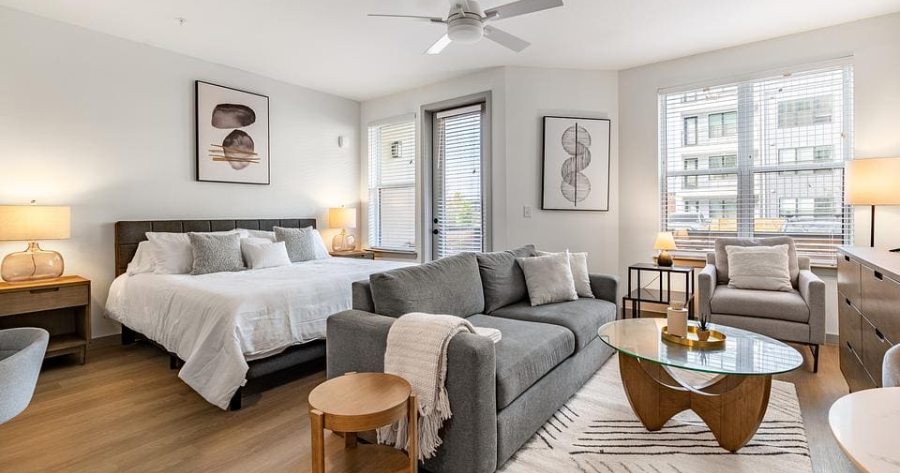
These are designed for those who can manage their daily lives but want to shed the burdens of home maintenance.
-
The Experience: I often describe these as "cruise ships on land." You have your own apartment, but meals, housekeeping, and social events are provided.
-
The Price Point: According to the 2026 Genworth Cost of Care Survey, the national median for high-quality independent living sits at approximately $3,200 to $5,500 per month.
-
Pros: Social stimulation; maintenance-free living; safety features like grab bars and emergency pull cords come standard.
-
Cons: Not covered by Medicare or most private insurance; monthly fees can increase annually.
2. Assisted Living Facilities (ALFs)
This is for individuals who need help with "Activities of Daily Living" (ADLs), such as bathing, dressing, or medication management.
-
The Experience: It is a middle ground. My uncle eventually moved into an ALF in 2025. He had his own studio, but there was a nurse on-site 24/7.
-
The Price Point: In early 2026, the median cost for assisted living in the U.S. has reached $5,650 per month, with significant spikes in states like Massachusetts and California where costs can exceed $7,500 (Data sourced from the National Center for Assisted Living 2026 Economic Outlook).
-
Pros: Professional care; specialized nutrition; peace of mind for family members.
-
Cons: Can feel institutional if not chosen carefully; high cost-to-value ratio in premium markets.
3. Section 8 and Section 202 Supportive Housing
For those relying on federal welfare programs, the HUD Section 202 program is a cornerstone of American senior welfare.
-
The Experience: This is specifically for very low-income seniors (62+). The government provides capital advances to non-profits to build these homes.
-
The Price Point: Rent is typically capped at 30% of the tenant's adjusted gross income. In 2026, with the average Social Security check being approximately $1,920, a resident in Section 202 housing might pay around $576 per month.
-
Pros: Deeply subsidized; integrated support services.
-
Cons: Massive waitlists (often 2-5 years); limited choice in location.
Housing for People with Disabilities: Beyond Age
For Americans with disabilities who are under 62, the search often focuses on Section 811 housing or "Permanent Supportive Housing."
In my work, I have seen a rise in "Smart Universal Design" homes in 2026. These are private residences—either for rent or purchase—built with wide hallways (36-42 inches), lowered counters, and voice-activated environmental controls.
-
Purchase Costs: Building a custom ADA-compliant home in 2026 costs roughly 10-15% more than standard construction due to specialized fixtures and floor plans. The median price for a new-build accessible ranch-style home in the Midwest currently sits at $415,000 (Source: National Association of Home Builders 2026 Custom Home Trends).
The "Rent vs. Buy" Dilemma in 2026
One of the most frequent questions I receive is: Should I sell my family home and buy a smaller accessible condo, or should I move into a rental community?
The Case for Buying
In 2026, with mortgage rates for a 30-year fixed loan stabilizing near 6.3%, buying is an attractive option for those with significant equity in their current homes.
-
Equity Transfer: I worked with a couple in Seattle who sold their split-level for $850,000 and bought a luxury accessible condo for $600,000 cash. They eliminated their mortgage and invested the $250,000 difference to cover their future healthcare needs.
-
Pros: Wealth preservation; fixed monthly housing costs (excluding taxes/HOA).
-
Cons: Responsibility for repairs; illiquid asset if a sudden move to nursing care is needed.
The Case for Renting
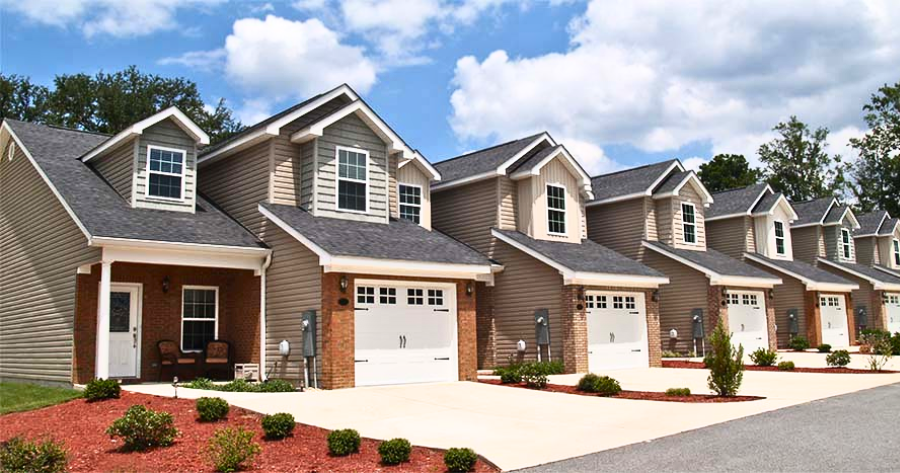
Renting in a 55+ or "inclusive" community is becoming the standard for the 2026 retiree.
-
Liquidity: By renting, you keep your home-sale proceeds in the bank or market. This provides the "liquidity" needed to pay for private-duty nursing, which in 2026 costs an average of $32 per hour.
-
Pros: Total flexibility; no maintenance stress.
-
Cons: Zero equity growth; vulnerability to rent hikes.
Searching Strategies: How I Find the Right Spot
I don't recommend a simple Google search. In 2026, the data is too cluttered. Instead, I use a three-pillar approach:
-
The Eldercare Locator: This is a public service of the U.S. Administration on Aging. It is the gold standard for finding state-certified options.
-
Long-Term Care Ombudsmen: Every state has one. They are advocates who investigate complaints in facilities. I always call them to ask about a specific facility’s "violation history."
-
The "Dinner Test": I never let a client sign a lease without eating two meals at the facility. The quality of the food and the demeanor of the staff during mealtime tells you more about the management than any brochure ever could.
Real-Life Case Study: The "Intergenerational" Solution
I recently worked with Elena, a 58-year-old woman with MS, and her 82-year-old mother. They were living separately and struggling.
The Strategy: We utilized a Home Equity Conversion Mortgage (HECM)—commonly known as a reverse mortgage—on the mother's home to fund the construction of a high-tech Accessory Dwelling Unit (ADU) in Elena's backyard.
-
The Cost: $210,000 for a 1-bedroom, 1-bath ADU with full wheelchair accessibility and "smart" lifting tracks in the ceiling.
-
The Result: They consolidated their resources. Elena's mother has her own space but is steps away from her daughter. They saved an estimated $110,000 per year in combined assisted living costs.
| Model | Average Monthly Cost (2026) | Primary Benefit | Primary Drawback |
| Continuing Care (CCRC) | $3,500 - $7,000 + Entry Fee | Seamless transition of care | Large upfront "buy-in" (often $300k+) |
| Shared Housing | $1,200 - $2,000 | Extreme affordability | Loss of total privacy |
| Group Homes | $3,000 - $4,500 | Home-like environment | Fewer amenities than large facilities |
| Public Housing (Sec 202) | 30% of Income | Accessible for low-income | Long wait times |
Technical Requirements for the 2026 Home
If you are looking to modify your current home (Aging in Place), here is what the 2026 standards dictate for safety:
-
Lighting: Indirect LED lighting with a minimum of 300 lux in hallways to prevent falls.
-
Flooring: Slip-resistance rating (COF) of at least 0.6.
-
Automation: Matter-enabled smart locks and thermostats that can be controlled via voice or a simplified tablet interface.
Author Bio
Hello, I'm Shanel, a freelance writer with over 10 years of experience in the real estate industry. I've worked with tenant coalitions and legal aid organizations to help renters navigate the complexities of the U.S. rental market. My guide is based on practical research, legislative awareness, and firsthand experience helping all types of renters—from students to young professionals—find safe, equitable, and sustainable housing. I hope this guide will be helpful to you.
Disclaimer
The information provided in this guide is for informational and educational purposes only and does not constitute legal, financial, or medical advice. Market data, including pricing and interest rates, are based on 2026 projections and national averages; local prices may vary significantly. Eligibility for government programs like Section 202 or Section 811 is subject to federal and state income limits and availability. Readers should consult with a qualified financial advisor, an elder law attorney, and a healthcare professional before making significant housing or care decisions. The author has no financial interest in any specific facility mentioned.
Data Sources and References
-
Genworth Financial (2026): 2026 Cost of Care Survey: National and Regional Trends in Long-Term Care and Senior Living.
-
U.S. Department of Housing and Urban Development (HUD): FY 2026 Income Limits and Program Guidelines for Section 202 and Section 811 Housing.
-
National Association of Realtors (NAR): 2026 Special Report on Senior Real Estate: Buying and Selling Trends in the 55+ Demographic.
-
Centers for Medicare & Medicaid Services (CMS): 2026 Guide to Choosing a Nursing Home or Other Long-Term Care Facility.
-
National Center for Assisted Living (NCAL): State-by-State Economic Impact and Cost Analysis for Assisted Living Residents (2026 Edition).

Most Read

How To Farm Free Coins, Unlock Seasonal Avatar Outfits, Pet Skins & Full House Furniture

Is Your Name One In A Million? A Simple Step-by-Step Guide To Test Its Rarity

How To Level Up Quickly And Get More Diamonds In Whiteout Survival

How To Location Spoof In Pokemon Go Safely

How To Get Free Coins In Avatar World Safely?

Cultural Blooms: How Different Regions Interpret The Language Of Flowers!
Subscribe For New Quizzes

Copyright © 2019-2026 | All rights reserved.